Troubleshooting Chain Hoist Slippage and Noises
Chain hoist slippage and abnormal noise usually point to worn sprockets, loose chains, or misaligned drums. This guide lists common symptoms, likely causes, and field fixes. It also covers inspection practices that prevent repeat failures and protect operators.
- Slippage often means the chain is loose, the sprocket is worn, or the drum is not aligned with the load path.
- Chain noise changes when the chain, sprocket, or drum is out of alignment, dirty, or damaged.
- Check chain tension, sprocket wear, drum condition, and lubrication before calling a repair technician.
- Regular inspection and proper storage prevent most avoidable hoist problems.
- Stop using the hoist immediately if the chain is kinked, stretched, or making loud grinding noise.
What Causes Chain Hoist Slippage
Slippage happens when the chain loses grip on the sprocket or drum. The chain may skip, jump, or move freely without lifting the load. Operators often notice the hoist handle turning but the load rising slowly or not at all. This loss of torque transmission is dangerous because it removes the mechanical lock that keeps the load suspended.
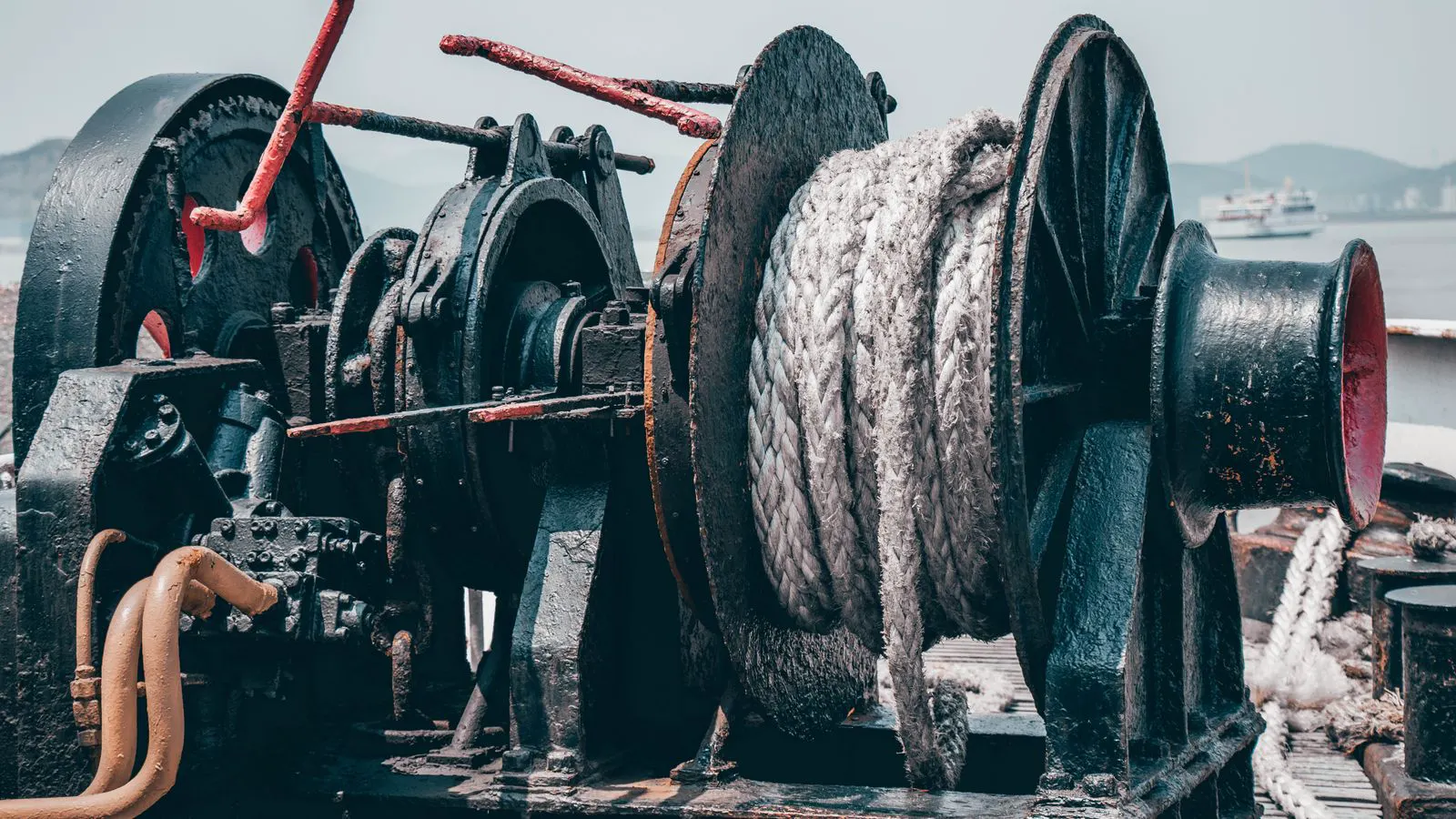
The most common cause is excessive chain slack. A chain that is too loose wraps poorly around the drum and loses tension during the lift cycle. The chain can also slip if the sprocket teeth are worn flat or if the drum surface is grooved. When the drum surface develops grooves, the chain rides in the channel rather than across the full diameter. This changes the effective wrap angle and reduces the friction needed to hold the load.
A misaligned drum is another frequent problem. If the drum does not sit square to the load path, the chain rubs against the frame or guide. The friction creates drag, and the chain may jump over a tooth. Misalignment often happens when the hoist is mounted on a beam that has settled or when the mounting bolts loosen over time. The drum may tilt slightly, causing the chain to run at an angle across the face.
The load itself can contribute. An uneven load shifts the center of gravity and pulls the chain at an angle. The chain then rubs against the hoist body or guide. Repeated angled pulls stretch the chain and damage the sprocket. A pallet load that is not centered on the spreader beam is a typical example. The chain takes a lateral force that the sprocket teeth are not designed to handle. This causes the teeth to wear unevenly, often on one side of the sprocket.
What Causes Chain Noise
Chain noise is usually a mechanical warning. A healthy chain runs quietly when it is properly tensioned, aligned, and lubricated. Noise appears when components wear, rub, or lose contact. The type of noise often points directly to the failing component.
A worn sprocket produces a rhythmic clacking or clicking sound. The chain links hit the flat teeth instead of riding in the grooves. The noise gets louder as the wear deepens. You can usually hear the pitch change as the hoist moves. The sound is distinct and repetitive, matching the speed of the chain passing over the sprocket.
A dirty drum creates a grinding or squealing sound. Sawdust, metal chips, or dried grease build up on the drum surface. The chain drags through the debris and the drum spins with extra resistance. This noise often has a high-pitched whine to it. It is different from the low grinding of metal on metal. The squealing is the sound of the chain trying to grip through the abrasive layer.
A loose chain slaps against the frame. The sound is a sharp rattling or banging. It happens when the chain has too much slack and moves freely inside the hoist housing. The noise is erratic and depends on the speed of the handle. If you stop the handle, the chain may continue to swing and strike the frame for a second or two before settling.
Troubleshooting Table for Common Symptoms
Use this table to match what you hear or see with the most likely cause. Always stop the hoist and remove the load before opening the housing or adjusting parts. This is a non-negotiable safety step. A hoist under load or with residual tension can release energy suddenly if you disturb the chain or drum.
| Symptom | Likely cause | What to do |
|---|---|---|
| Chain jumps or skips while lifting | Worn sprocket teeth or loose chain | Inspect sprocket teeth for flat spots. Adjust chain tension per the manufacturer’s manual. Replace the sprocket if teeth are rounded. |
| Loud clacking or clicking sound | Worn sprocket or damaged chain links | Check sprocket teeth and chain pins for wear. Replace the sprocket or chain if the wear exceeds the manufacturer’s limit. |
| Grinding or squealing noise from the drum | Debris on drum surface or low lubrication | Clean the drum with a dry cloth. Apply the recommended lubricant to the chain and drum. |
| Rattling or banging sound | Loose chain or loose chain guide | Tighten chain tension. Check chain guide alignment. Secure or replace a loose guide. |
| Hoist handle turns but load rises slowly | Chain slip, worn drum, or binding load path | Check chain tension and sprocket condition. Inspect the load path for obstructions. Verify the load is centered and balanced. |
| Noise only appears under heavy load | Misaligned drum, worn drum surface, or overstressed chain | Check drum alignment to the load path. Inspect the drum for grooves or scoring. Replace the drum or chain if worn. |
Inspecting the Chain and Sprocket
Start with the chain. Look for stretched links, bent plates, and worn pins. A chain that has stretched will not wrap correctly around the drum. You can check for stretch by measuring a section of the chain and comparing it to the original length in the manual. If the chain is out of specification, replace it. Do not try to tighten a stretched chain to make it work. Stretched chain has lost its structural integrity. The links are no longer rigid enough to maintain tension. Forcing it tighter creates stress points that can fail during a lift.
Next, inspect the sprocket. Run a finger across the teeth. Healthy teeth have a defined groove and a sharp edge. Worn teeth look flat or rounded. If the chain sits in a worn sprocket, it slips and the noise gets worse. Replace the sprocket when the teeth are no longer defined. A common mistake is to keep the sprocket and replace only the chain. The new chain will wear the old sprocket quickly, and the problem will return within a few months. Sprockets and chains wear together. They should be replaced as a matched set.
Check the chain pins. Some pins can be removed for inspection. If a pin is loose, the link can open or bind. Replace the pin or the link if the fit is poor. Loose pins cause the chain to twist out of plane. This twists the entire chain and increases wear on the drum. The chain may look fine from a distance, but the links are no longer sitting flat.
Checking Drum Alignment and Load Path
The drum must sit parallel to the load path. If the drum is tilted, the chain rubs against the side of the housing. The friction creates heat and noise. It also accelerates wear. Heat can soften the chain material and damage any nearby lubricant. The drum may feel warm to the touch after a short period of use. This is a sign that something is rubbing where it should not be.
Look at the drum from the front. The chain should run in the center of the drum face. If the chain rides to one side, the drum is out of alignment. Adjust the drum mounting bolts or the load guide. Do not force the chain into position. Forcing the chain creates stress in the links and can bend the chain plates. Align the drum first. The chain should follow the drum naturally. If it does not, the drum is not parallel to the load path.
Check the load guide. The guide holds the chain in line as the load moves. If the guide is bent, loose, or missing, the chain can swing. A swinging chain hits the frame and creates noise. It also damages the chain and drum. The guide takes the lateral load and prevents the chain from striking the housing. Without it, the chain is free to swing and wear against metal surfaces.
Make sure the load is centered. An off-center load pulls the chain at an angle. The chain rubs against the guide or frame. This creates drag and noise. Rebalance the load or use a proper spreader beam for wide or long loads. A single chain hoist can handle a heavy load, but it cannot handle a load that is not centered. The center of gravity must be directly below the hook. If it is not, the chain takes a shear load that it is not designed to handle.
Lubrication and Cleaning
A dry chain wears fast. It also makes noise. Apply the lubricant recommended by the hoist manufacturer. Oil the chain links where they enter and leave the drum. Avoid spraying oil into the housing if the manual says not to. Oil that gets into the wrong area can attract dirt or damage electrical parts. Use a brush or a small cloth to apply the oil. You want the oil on the chain links and the sprocket teeth, not in the air.
Clean the drum and housing. Remove sawdust, metal chips, and dried grease. Use a dry cloth or a soft brush. Do not use high-pressure water near electrical components. Water can seep into the motor windings or the handle mechanism. Dirt on the drum acts like abrasive sandpaper. It wears the chain and drum quickly. A thin layer of grit can destroy a drum in a short period. Check the drum surface regularly. If you see a dark line or a scratch, clean it and inspect the chain.
Check the lubricant level if the hoist has a grease fitting. Grease the chain and sprocket at the intervals listed in the manual. Do not over-grease. Excess grease attracts dust and can wash out the lubricant. The grease should be just enough to coat the metal surfaces. If grease is dripping from the chain, you have too much. Wipe it off and let it drain. The goal is lubrication, not saturation.
Preventing Slippage and Noise
Prevention is cheaper than repair. A hoist that is inspected and maintained regularly will last longer and run quieter. The following routine helps catch problems before they become failures.
- Check chain tension at the start of each shift. Adjust only if the manual allows.
- Inspect the sprocket teeth every month. Look for flat spots and rounded edges.
- Clean the drum and housing every two weeks. Remove debris before it builds up.
- Lubricate the chain and drum at the manufacturer’s interval. Use the correct oil or grease.
- Inspect the load guide and drum alignment every month. Tighten loose bolts.
- Store the hoist in a dry area. Keep it away from moisture and corrosive chemicals.
- Train operators on proper load handling. Keep loads centered and balanced.
When to Call a Technician
Some problems are not safe for a shop floor fix. Stop using the hoist and call a technician if the chain is kinked or broken. A broken chain can release suddenly and drop the load. The energy stored in the chain can be enough to cause serious injury. Do not attempt to repair a kinked chain. The metal has been work-hardened and is brittle. It will fail under load.
Call a technician if the drum is scored or grooved. A scored drum changes the chain path and causes repeated slip. It may need to be replaced or resurfaced. Resurfacing is not always possible. The drum may have a minimum diameter after wear. If it is below that limit, it must be replaced. A technician can measure the drum and determine if it is within specification.
Call a technician if the noise changes after a heavy load. The hoist may have suffered internal damage. The chain, sprocket, drum, or motor may be affected. Do not run the hoist until it is inspected. A change in noise after a heavy load often indicates that a component has shifted or cracked. The hoist may seem to work fine, but the internal alignment is no longer correct. Running it further can cause total failure.
Frequently asked questions
Can I tighten a chain that is slipping?
Yes, if the chain has normal slack. Adjust the tension per the manufacturer's manual. If the chain is stretched or the sprocket is worn, tightening will not fix the problem and may make it worse.
What does a grinding noise mean?
A grinding noise usually means debris is on the drum or the chain is rubbing against the frame. Clean the drum and check alignment. If the noise continues, inspect the chain and sprocket for damage.
How often should I check the chain?
Check the chain at the start of each shift. Do a full inspection every month. Look for stretch, bent links, worn pins, and damage. Replace the chain when it is out of specification.
Can I use any lubricant on a chain hoist?
No. Use the lubricant listed in the manufacturer's manual. The wrong lubricant can attract dirt, wash out other parts, or damage electrical components.
Is it safe to lift with a noisy chain hoist?
No. Stop and inspect the hoist. Noise often means wear, misalignment, or damage. Lifting with a noisy hoist can lead to sudden failure and a dropped load.