How Winch Capacity Differs from Hoist Capacity
Winch capacity measures horizontal pulling force, while hoist capacity measures vertical lifting weight. Confusing these two ratings leads to equipment failure or unsafe lifting. This guide explains how to match the right machine to the job.
- Winch capacity describes the maximum horizontal pulling force a device can apply.
- Hoist capacity describes the maximum vertical weight a device can lift safely.
- Direction of force changes the mechanical advantage and the required safety factors.
- Sourcing the wrong machine for the task creates immediate safety and performance issues.
- Always verify the manufacturer data sheet for the specific application geometry.
What defines a winch capacity rating
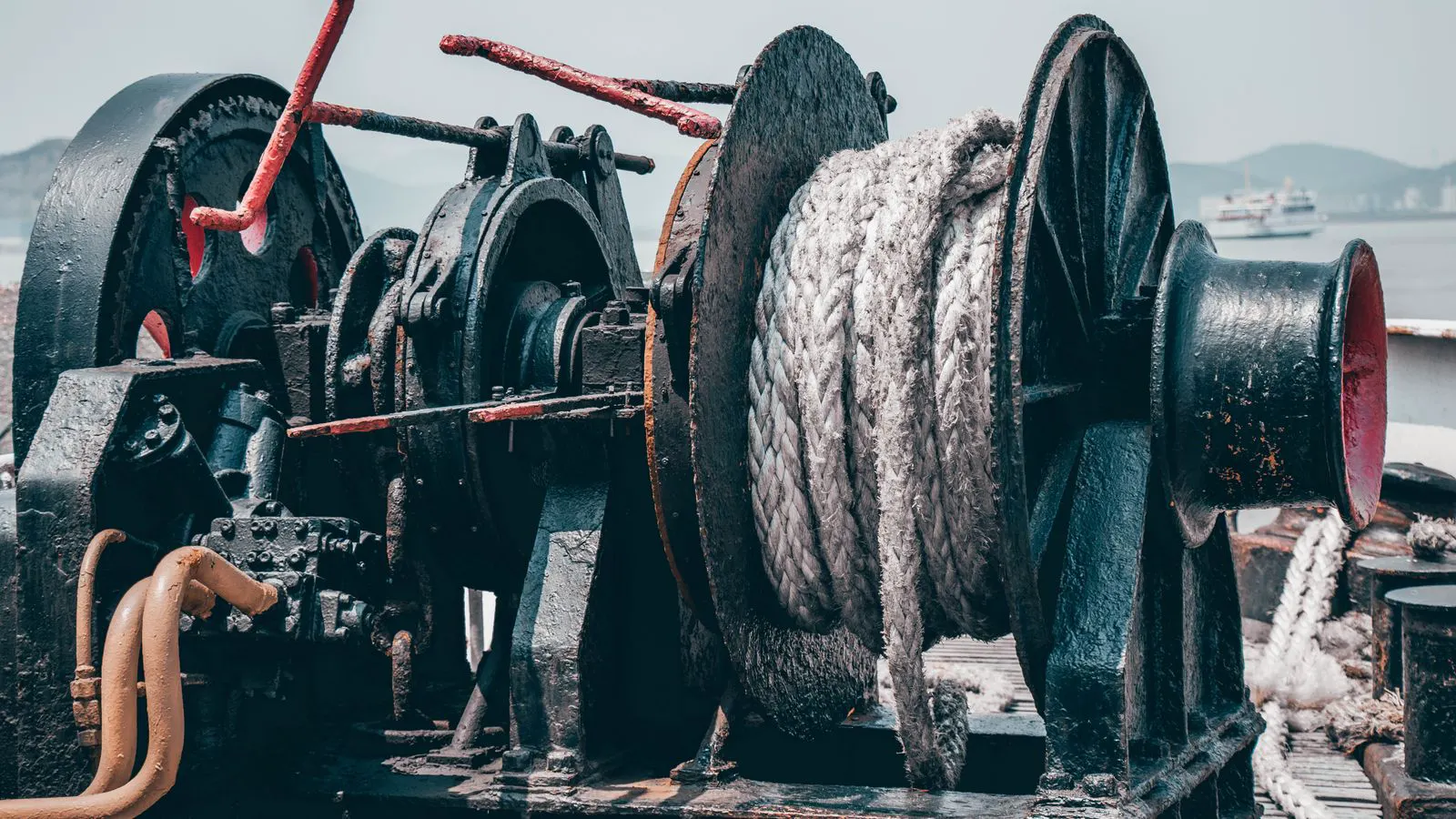
A winch is designed to pull. Its capacity rating refers to the maximum force it can apply along a straight line. This force is measured in Newtons or kilonewtons, or often in kilograms-force and pounds-force. The rating assumes the load is being dragged or towed horizontally, or along a shallow incline.
When a winch pulls a load, the friction between the load and the ground creates resistance. The winch must overcome this resistance. The capacity number printed on the nameplate is the absolute limit of that pulling force. If you exceed it, the motor may overheat, the brake may fail, or the cable may stretch.
The mechanism inside a winch uses a drum and a cable. The drum winds the cable to create torque. The capacity rating is derived from the motor power, the gear ratio, the drum diameter, and the brake holding power. It is a static or quasi-static number. It tells you how hard the machine can pull in a steady state.
What defines a hoist capacity rating
A hoist lifts. Its capacity rating refers to the maximum weight it can raise vertically. This is typically measured in kilograms or tonnes. The force required to lift a load is the force of gravity acting on that mass.
A hoist uses a drum and a cable, just like a winch. However, the geometry is different. The load hangs freely below the drum. There is no friction between the load and a surface to overcome. The machine only has to support the weight of the load and the cable.
The capacity rating for a hoist is derived from the same core components. The motor, the gears, the drum, and the brake. But the design margins are different. Hoists are often designed with higher safety factors because a falling load creates a catastrophic failure. The brake must hold the load while the power is off. The cable must not stretch under the full weight.
Direction of force changes the load
The direction of the force is the core technical difference. A winch applies force in a horizontal plane. A hoist applies force in a vertical plane.
This change in direction alters the physics of the job. When a winch pulls a crate on the floor, the normal force is the weight of the crate. Friction is calculated by multiplying the coefficient of friction by that normal force. A smooth floor has low friction. A rough floor has high friction. The winch capacity must exceed the friction force.
When a hoist lifts a crate, there is no floor. The normal force is zero. The only resistance is gravity. The hoist capacity must exceed the weight of the crate.
This is why a 10-tonne hoist and a 10-tonne winch are not interchangeable. The 10-tonne winch can pull a load that weighs 10 tonnes if the floor is very smooth. It cannot pull a load that weighs 20 tonnes on a rough floor because the friction force will exceed the winch capacity. The 10-tonne hoist can lift a 10-tonne crate. It cannot pull a 10-tonne crate across a floor because it is not designed for horizontal force application.
How these differences affect sourcing decisions
Buyers often mix up these two ratings when selecting equipment. They see a number on the nameplate and assume it applies to any lifting or pulling task. This is a dangerous mistake.
When sourcing a winch, you must calculate the required pulling force. Start with the weight of the load. Then determine the coefficient of friction for the surface. Multiply them together. Add a safety factor. That is your required winch capacity. If the load is on a slope, add the component of gravity along the slope.
When sourcing a hoist, the calculation is simpler. The required capacity is the weight of the load plus the weight of the cable. Add a safety factor. That is your required hoist capacity.
The table below shows how the two ratings are calculated and what they represent.
| Feature | Winch Capacity | Hoist Capacity |
|---|---|---|
| Primary Force Direction | Horizontal or shallow angle | Vertical |
| Main Resistance | Friction and gravity component | Gravity |
| Typical Unit | Kilograms-force or Newtons | Kilograms or Tonnes |
| Key Design Factor | Brake holding power and cable grip | Brake holding power and cable strength |
| Failure Mode | Cable slip, motor overheat, drum damage | Load drop, cable break, hook failure |
| Application Context | Towing, dragging, tensioning, pulling | Lifting, raising, lowering, hoisting |
A worked example in plain words
Imagine you need to move a steel beam. The beam weighs 5 tonnes. You have two machines available. One is a 5-tonne winch. The other is a 5-tonne hoist.
You want to drag the beam across a concrete floor. The concrete is clean and dry. The coefficient of friction is low. Let us assume the friction force required to start the beam moving is 500 kilograms-force. The 5-tonne winch has a capacity of 5,000 kilograms-force. It can easily pull the beam. The load is well within the winch capacity.
Now you want to lift the beam onto a trailer. You need to raise it 2 metres. The 5-tonne hoist has a capacity of 5,000 kilograms. It can lift the 5-tonne beam. The load is exactly at the hoist capacity. In practice, you would want a margin. You would select a 6-tonne hoist to be safe.
The 5-tonne winch cannot lift the beam. It is not designed to support a vertical load. The cable will wrap around the drum in a way that creates high lateral stress. The drum bearings are not rated for that. The brake is not set to hold a vertical load. If you use the winch to lift, you risk a mechanical failure.
The 5-tonne hoist cannot drag the beam. It is not designed to apply horizontal force. The drum and cable are designed for vertical tension. If you pull horizontally, the cable will rub against the drum flange. The cable will wear out quickly. The motor may overheat. The machine will fail.
Common mistakes in capacity selection
The most common mistake is using the weight of the load as the required capacity for both winches and hoists. For a hoist, this is close to the truth. For a winch, it is wrong. The required winch capacity is the friction force, not the load weight.
Another mistake is ignoring the angle of pull. If you use a winch to pull a load up a slope, the gravity component adds to the friction force. A 5-tonne load on a 10-degree slope requires more pulling force than the same load on a flat floor. You must calculate the total force.
A third mistake is assuming that a higher rated winch is always better. A 10-tonne winch can pull a 5-tonne load, but it is overkill. It is heavier, more expensive, and harder to install. It may not fit in the space. It may require a larger power source. Select the smallest capacity that meets the calculated requirement with a safe margin.
How to verify the correct rating
Always check the manufacturer data sheet. Look for the word “capacity” and the direction of force. A winch data sheet will say “pulling capacity” or “towing capacity.” A hoist data sheet will say “lifting capacity” or “hoisting capacity.”
Do not rely on the nameplate alone. The nameplate often shows the maximum rated capacity. It does not show the capacity under specific conditions. For example, the hoist capacity may be reduced if the cable length is long. The winch capacity may be reduced if the ambient temperature is high.
If you are unsure, ask the manufacturer. Provide the load weight, the surface type, and the geometry of the job. They can calculate the required capacity for you. If they cannot provide a calculation, look for another supplier. A reputable manufacturer will help you size the machine correctly.
Final check for the buyer
Before you buy, ask three questions. First, what is the direction of the force? Is it horizontal or vertical? Second, what is the total force required? For a winch, calculate friction plus gravity components. For a hoist, calculate load weight plus cable weight. Third, what is the duty cycle? Is the machine used for a few minutes or for hours? The duty cycle affects the motor size and the cooling requirements.
If the answer is horizontal, buy a winch. If the answer is vertical, buy a hoist. Do not try to use one for the other. The mechanical design of each machine is optimized for its specific task. Using it for the wrong task creates unnecessary risk and unnecessary cost.
Winch capacity and hoist capacity are not the same number. They are not interchangeable. They are two different measures of force applied in two different directions. Understanding this difference is the first step in selecting the right equipment for your material handling job.
Frequently asked questions
Can I use a hoist to pull a load across the floor?
No, hoists are designed for vertical lifting. Using a hoist for horizontal pulling will damage the drum and cable and can cause a mechanical failure.
Can I use a winch to lift a load?
No, winches are designed for pulling. Using a winch for lifting creates unsafe lateral forces on the drum and brake that are not rated for that load.
How do I calculate the required winch capacity?
Multiply the load weight by the coefficient of friction of the surface. Add the gravity component if the load is on a slope. Add a safety factor.
How do I calculate the required hoist capacity?
Add the weight of the load to the weight of the cable. Add a safety factor. The result is the required hoist capacity.
What is the main difference between pulling capacity and lifting capacity?
Pulling capacity is the force needed to overcome friction. Lifting capacity is the force needed to overcome gravity. The direction of the force changes the calculation.