Single vs Double Beam Crane Safety Features
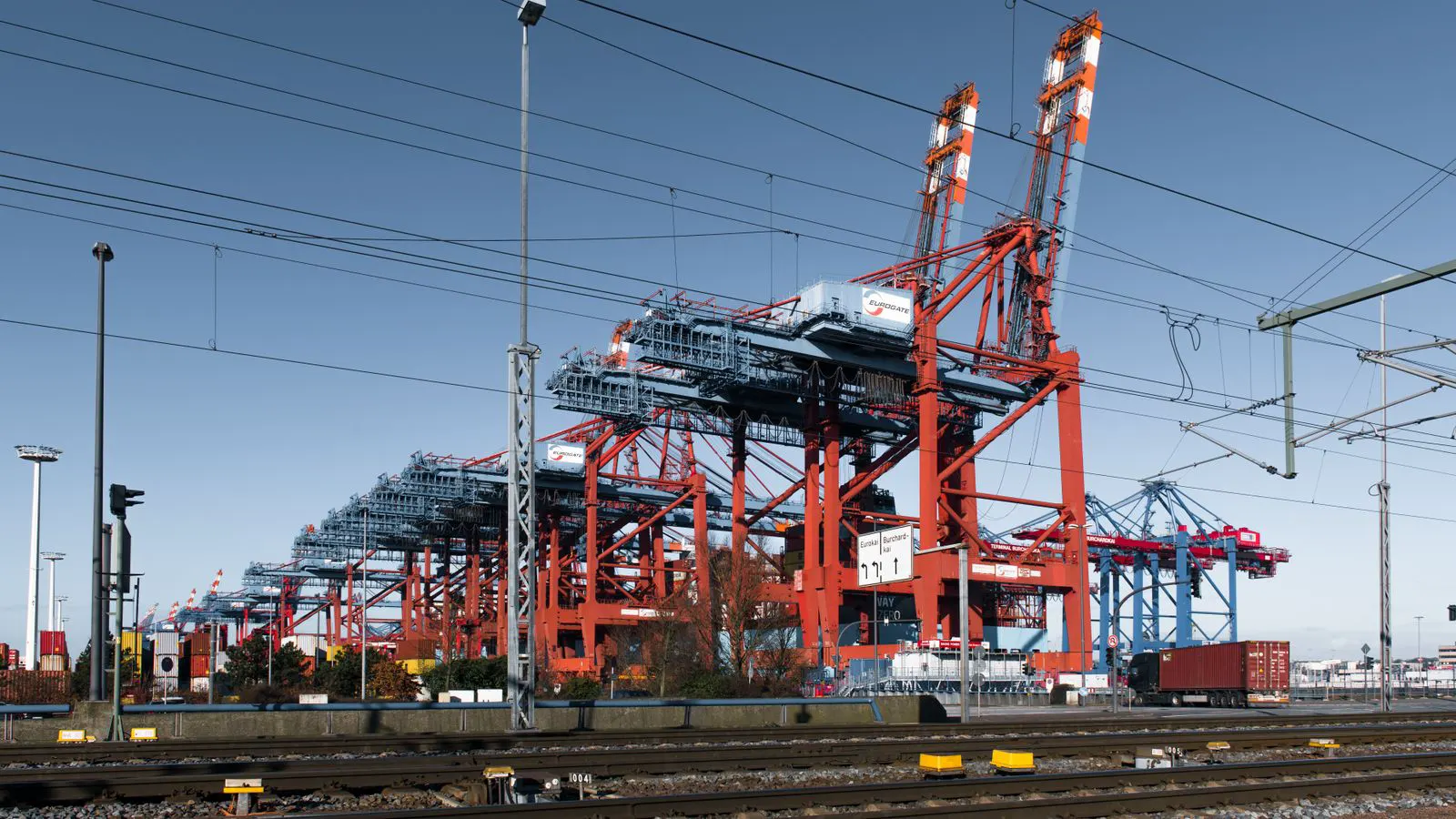
Single beam cranes offer lighter weight and lower cost but have higher center of gravity. Double beam designs provide greater lateral stiffness and lower center of gravity, reducing sway. The choice depends on span, load, and required stability.
- Single beam cranes are lighter and cheaper but have more lateral deflection.
- Double beam cranes add structural stiffness and lower the center of gravity.
- Safety features depend on span, load, and installation method.
- Regular inspection of rails, trolley, and hoist is critical for both types.
- Choose based on actual working loads and span length, not just cost.
How structural design affects safety performance
Single beam and double beam overhead cranes differ in how they handle load. The safety features of each design depend on the frame geometry, rail size, and trolley position. A single beam crane uses one I-beam or box beam as the main span. The trolley hangs from or rides on this beam. The center of gravity sits higher in the structure.
A double beam crane uses two parallel beams connected by cross braces. The trolley rides on the outer beam or between the beams. The center of gravity sits lower. The lateral stiffness is higher. This difference changes how the crane behaves under load.
The main safety issue with single beam designs is lateral deflection. When the trolley carries a load, the beam bends sideways. If the span is long or the load is heavy, this deflection can cause sway. The trolley may drift off the intended path. Operators must compensate. In high-precision applications, this is a major concern.
Double beam designs resist this deflection better. The second beam acts as a stabilizer. The cross braces tie the two beams together. The trolley has more support. The sway is lower. The load tracks more straight. This reduces the risk of the load swinging into obstacles or workers.
What crane safety features matter most for each type
The crane safety features differ based on the structural layout. Both types need standard safety devices. Limit switches, overload protection, emergency stop, and anti-collision systems are common. But the structural design changes how these features perform.
Overhead crane design determines the load moment. A single beam crane has a higher load moment because the center of gravity is higher. This increases the bending stress on the beam. The safety factor must be higher. The beam must be thicker or the span shorter to stay within limits.
Double beam cranes have a lower load moment. The bending stress is lower. The beam can be lighter or the span longer. The safety factor can be lower. This makes double beam cranes more efficient for long spans.
The trolley safety features also differ. In a single beam crane, the trolley hangs below the beam. The hoist is often mounted on the trolley frame. The center of gravity is higher. The trolley is less stable laterally. Anti-sway devices may be needed to control the load.
In a double beam crane, the trolley rides on the beam. The hoist is often mounted above or between the beams. The center of gravity is lower. The trolley is more stable laterally. Anti-sway devices are less critical, though still useful.
Comparison of single and double beam options
| Option | Best for | Limitations |
| Single Beam | Short spans, light loads, low budgets | Higher lateral deflection, higher center of gravity, more sway |
| Double Beam | Long spans, heavy loads, high stability | Higher cost, more complex installation, heavier structure |
| Single Beam with Anti-Sway | Medium spans, moderate loads | Adds cost and complexity, still has structural limits |
| Double Beam with Anti-Sway | Long spans, heavy loads, precise tracking | Highest cost, most complex, requires more maintenance |
| Modular Double Beam | Variable spans, retrofit projects | Requires careful alignment, higher maintenance |
The table above shows the main options. The choice depends on the application. A single beam crane is a good fit for a small workshop. The span is short. The loads are light. The budget is tight. The safety features are basic. Limit switches and an emergency stop are enough.
A double beam crane is a better fit for a manufacturing plant. The span is long. The loads are heavy. The safety features are more advanced. Anti-collision systems and load moment indicators are common. The structural stiffness helps. The trolley tracks straight.
When to pick a single beam crane
Single beam cranes are chosen for short spans and light loads. The typical span is under 20 meters. The loads are under a few tonnes. The application is not critical. The load does not need to track with high precision. The budget is a major factor.
The safety features are simpler. The beam is smaller. The trolley is lighter. The installation is faster. The maintenance is easier. The center of gravity is higher, but the loads are light enough that the deflection is manageable.
The main mistake is using a single beam crane for a long span. The deflection becomes too large. The trolley sways. The load becomes difficult to control. The operators work harder. The risk of accidents increases. The safety features cannot compensate for a poor structural choice.
When to pick a double beam crane
Double beam cranes are chosen for long spans and heavy loads. The typical span is over 20 meters. The loads are several tonnes or more. The application requires high stability. The load must track with precision. The budget allows for higher cost.
The safety features are more advanced. The beam is larger. The trolley is heavier. The installation is slower. The maintenance is more complex. The center of gravity is lower, and the deflection is smaller. The trolley tracks straight.
The main mistake is using a double beam crane for a short span. The cost is higher than needed. The installation is more complex than needed. The maintenance is more complex than needed. The safety features are not fully used. The budget is wasted.
Inspection and maintenance differences
Inspection of single and double beam cranes follows the same general rules. Daily checks cover the trolley, hoist, limit switches, and emergency stop. Weekly checks cover the rails, wheels, and electrical connections. Annual inspections cover the beam, trolley frame, and structural welds.
The single beam crane has one beam to inspect. The inspection is faster. The beam is smaller. The trolley is lighter. The maintenance is simpler. The center of gravity is higher, so the trolley is more sensitive to wear. The wheels must be kept in good condition.
The double beam crane has two beams to inspect. The inspection is slower. The beams are larger. The trolley is heavier. The maintenance is more complex. The center of gravity is lower, so the trolley is less sensitive to wear. The wheels are less critical, but the cross braces must be checked.
The lifting equipment in both types requires regular inspection. The hoist, wire rope, and brakes are the same. The safety features are the same. The structural design changes the inspection frequency. The single beam crane may need more frequent trolley inspections. The double beam crane may need more frequent beam inspections.
How to evaluate safety for your application
To choose the right crane, look at the span, load, and precision. Measure the span. Determine the maximum load. Check the tracking requirements. If the span is short and the load is light, a single beam crane is a good fit. If the span is long and the load is heavy, a double beam crane is a better fit.
The crane safety features must match the design. A single beam crane needs anti-sway devices if the span is over a certain length. A double beam crane may not need them, but they are still useful. The limit switches must be set correctly. The overload protection must be calibrated. The emergency stop must be tested.
The inspection plan must match the design. A single beam crane needs a plan for the trolley. A double beam crane needs a plan for the beams. The lifting equipment needs a plan for the hoist. The safety features need a plan for testing. The documentation must be kept. The records must be maintained.
The final choice depends on the actual conditions. The site layout, the work process, and the budget all matter. The crane safety features are only part of the picture. The structural design is the foundation. Get that right, and the safety features will work. Get it wrong, and no safety feature can save you.
Frequently asked questions
What is the main safety difference between single and double beam cranes?
Double beam cranes have a lower center of gravity and higher lateral stiffness, which reduces sway and improves load tracking. Single beam cranes have a higher center of gravity and more lateral deflection.
Do single beam cranes need anti-sway devices?
Yes, if the span is long or the load is heavy. Anti-sway devices help control the load swing. They are less critical for short spans with light loads.
Which crane type is cheaper to install?
Single beam cranes are generally cheaper. They are lighter, smaller, and faster to install. Double beam cranes cost more due to the additional beam and cross braces.
Can a single beam crane be used for long spans?
Yes, but the deflection may be too large. The trolley sway increases. The load becomes hard to control. A double beam crane is a better fit for long spans.
How often should the beams be inspected?
The beams should be inspected annually. Daily checks cover the trolley and hoist. Weekly checks cover the rails and electrical connections. The inspection plan depends on the usage and load.