How Container Gantry Cranes Move Yard Loads
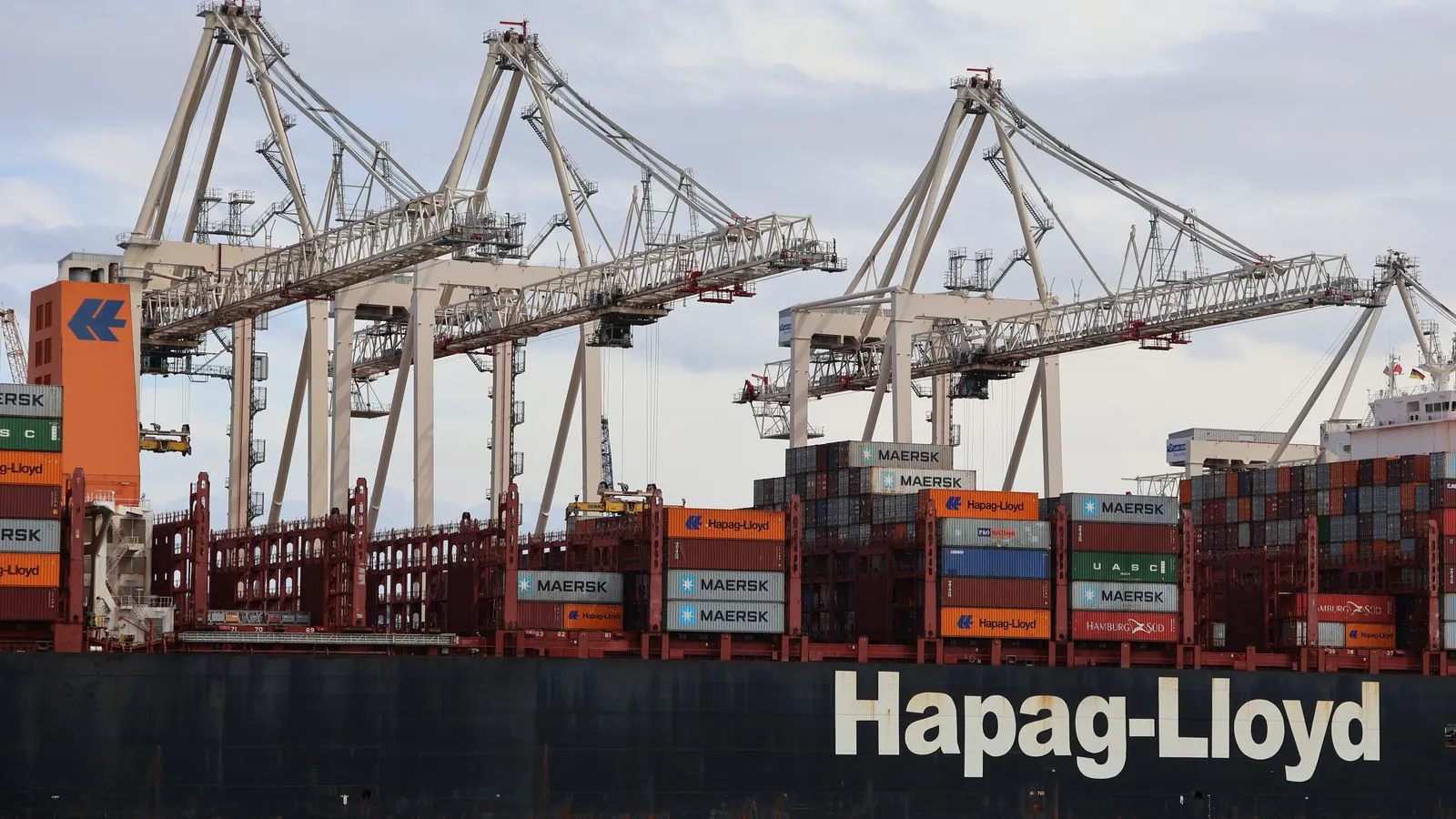
A container gantry crane moves yard loads by combining vertical hoisting, trolley travel, and gantry movement. This guide explains the mechanical parts that handle containers and how those functions shape sourcing choices for terminal operators.
- Container gantry cranes use separate mechanisms for hoisting, trolleying, and gantry travel to position loads.
- Gantry travel width and trolley span directly affect the number of bays the crane can serve.
- Hoist speed and trolley speed determine the cycle time for a single container movement.
- Operator experience and maintenance access influence the long-term reliability of yard equipment.
A container gantry crane sits on a rail or on a fixed structure. It moves containers between ships and yard stacks using a combination of vertical and horizontal forces. The machine looks simple from a distance, but the mechanical coordination between its parts determines how fast and safely the yard operates.
What Is the Main Structure Made Of?
The main structure consists of two vertical legs connected by a top beam. This beam carries the trolley, which is the moving gantry that runs along the top of the crane. The legs are usually built from steel plate or box sections. They must withstand the weight of the crane itself plus the load it carries.
In a typical port environment, the structure sits on rails. The rails are fixed to the ground or to a concrete foundation. The crane moves along these rails to reach different bays in the yard. The distance the crane can travel along the rails is called the gantry travel. This distance sets the footprint of the crane on the site.
The top beam is often a box section to resist bending. The trolley runs inside or on top of this beam. The trolley carries the spreader, which is the lifting gear that grips the container. The spreader is usually a frame with locking arms that clamp onto the corners of the container.
How Does the Hoist Move a Load?
The hoist is the vertical lifting mechanism. It uses a wire rope that runs over a sheave, or pulley, on the trolley. One end of the rope is anchored to the trolley frame. The other end is attached to the spreader. When the hoist motor turns the drum, the rope winds onto the drum. The spreader rises.
Most container cranes use a double rope hoist. Two ropes share the load. This reduces the tension on each rope and makes the lifting more stable. The ropes run through a block on the spreader. This block allows the ropes to change direction as the spreader moves up and down.
The hoist drum is driven by a motor. The motor is usually electric. It provides the torque needed to lift a heavy container. The speed of the hoist is controlled by a variable frequency drive. This allows the operator to slow the crane down when the load is near the ground or near the ship.
Hoist speed is a key factor in sourcing decisions. A fast hoist reduces the time spent lifting and lowering. However, a very fast hoist can cause the container to swing. The swing adds to the cycle time because the operator must wait for the load to stop moving before they can move the crane horizontally.
How Does the Trolley Move the Spreader?
The trolley runs along the top beam of the crane. Its movement is called trolley travel. The trolley is driven by motors that push or pull on gears or tracks. The trolley carries the hoist, the spreader, and the electrical controls.
The trolley span is the distance between the two legs of the crane. This distance determines how far the spreader can move sideways. If the trolley span is short, the spreader can only reach containers that are close to the crane legs. If the trolley span is long, the spreader can reach containers that are further away.
The trolley speed is separate from the hoist speed. The operator can move the trolley left and right while the hoist is raised. This allows the crane to position the spreader over a container without lowering the load first. This is much faster than lowering the spreader to the ground and then walking the crane into position.
Trolley speed affects the cycle time. A fast trolley can reach a container in a yard stack quickly. However, the trolley must stop accurately. If the trolley stops too early or too late, the spreader may not align with the container corners. The spreader has a small amount of lateral adjustment to correct for minor errors, but it cannot compensate for a large misalignment.
How Does the Gantry Travel Along the Rails?
The gantry travel is the movement of the entire crane structure along the rails. This movement is driven by motors that push or pull on the rails. The crane can move forward and backward to reach different bays.
The gantry travel distance is determined by the length of the rails. The rails are usually laid in a straight line. The crane can travel from one end of the yard to the other. The time it takes to travel from one bay to another depends on the speed of the gantry travel and the distance between the bays.
Gantry travel speed is generally slower than trolley speed. This is because the entire crane is moving. The crane has a large mass. Accelerating and decelerating a heavy structure takes time. The operator must also leave space for safety.
The distance between the rails and the ship’s berth is fixed. The crane must be able to reach the ship’s deck when loading or unloading. The gantry travel must allow the crane to move close enough to the ship to place the container on the deck. If the crane is too far back, the spreader may not reach the ship.
How Do the Parts Work Together?
The three mechanisms work together to move a load. The operator uses a control panel to command the crane. The control system sends signals to the motors. Each motor drives one of the three movements: hoist, trolley, or gantry.
A typical movement sequence involves the following steps. The operator positions the crane over a bay. The hoist raises the spreader. The trolley moves the spreader to the center of the bay. The hoist lowers the spreader to the container. The spreader locks onto the container. The hoist raises the container. The trolley moves the spreader to the ship. The hoist lowers the container onto the ship. The spreader unlocks. The hoist raises the spreader. The trolley moves the spreader back to the bay.
This sequence takes time. Each step depends on the speed of the relevant mechanism. The hoist speed affects the lifting and lowering time. The trolley speed affects the time to move the spreader sideways. The gantry travel speed affects the time to move the crane to a new bay.
The total cycle time is the sum of these times. A fast crane has short cycle times. However, speed is not the only factor. The crane must also be reliable. A fast crane that breaks down often will cost more than a slower crane that runs continuously.
What Are the Sourcing Trade-Offs?
When sourcing a container gantry crane, buyers must balance speed, coverage, and cost. The gantry travel and trolley span define the area the crane can cover. The hoist and trolley speeds define the cycle time. The structure size affects the material cost and the foundation requirements.
A larger crane covers more ground. It can serve more bays. However, a larger crane is heavier and more expensive to build. The foundation must be stronger to support the weight. The rails must be longer. The site must have enough space for the crane to move.
A smaller crane is cheaper and lighter. It is easier to install. However, it may not reach all the bays in the yard. The operator may need to move the crane more often. This adds to the cycle time.
The spreader design also matters. A spreader with a wide locking range can handle larger containers. A spreader with a narrow locking range is lighter and cheaper. The operator must choose a spreader that fits the container sizes used in the terminal.
The control system is another trade-off. A manual control system is simpler and cheaper. It relies on the operator to coordinate the three movements. An automated control system can move the crane automatically. It reduces operator error and can run continuously. However, automation adds cost and complexity.
A table can help compare the key parameters of a container gantry crane.
| Parameter | Function | Sourcing Impact |
|---|---|---|
| Gantry Travel | Distance the crane moves along rails | Determines the number of bays served |
| Trolley Span | Distance the spreader moves sideways | Determines the width of the yard reachable |
| Hoist Speed | Vertical lifting speed | Affects lifting and lowering time |
| Trolley Speed | Horizontal spreader speed | Affects time to position the spreader |
| Spreader Type | Lifting gear that grips the container | Must match container size and weight |
| Control System | Manual or automated operation | Affects operator cost and reliability |
What Does a Simple Move Look Like?
Imagine a yard with two bays. The crane is parked in bay one. A container sits on the deck of a ship. The operator wants to move the container to bay two.
The operator starts the crane. The gantry travel motors move the crane from bay one to bay two. This takes a short time. The crane is now over bay two. The hoist raises the spreader. The trolley moves the spreader to the center of the bay. The hoist lowers the spreader to the container. The spreader locks onto the container. The hoist raises the container. The trolley moves the spreader to the ship. The hoist lowers the container onto the ship. The spreader unlocks. The hoist raises the spreader. The trolley moves the spreader back to the center of the bay. The crane is ready for the next container.
This example shows how the parts work together. The gantry travel moves the crane to the correct bay. The trolley moves the spreader to the correct position. The hoist lifts and lowers the container. Each part has a specific job. The overall efficiency of the yard depends on how well these parts are coordinated.
The operator must watch the load. The container can swing if the crane accelerates or stops too quickly. The operator must use smooth controls. A trained operator can reduce the swing and complete the move faster.
The maintenance of the crane is also important. The wire ropes must be inspected regularly. The sheaves must be checked for wear. The motors must be serviced. The rails must be kept clear of debris. A well-maintained crane runs smoothly. A neglected crane slows down and may break down.
The choice of a container gantry crane is a long-term decision. The crane will serve the yard for many years. The buyer must consider the total cost of ownership. This includes the purchase price, the installation cost, the maintenance cost, and the operating cost. A cheap crane may cost more over time if it requires frequent repairs. A high-performance crane may save money by moving more containers in the same time.
The mechanical operation of a container gantry crane is a balance of forces and speeds. The structure must be strong enough to hold the load. The motors must provide enough power. The controls must allow precise movement. The operator must be trained to use the crane safely. When all these elements work together, the crane moves yard loads efficiently and safely.
What Common Mistakes Happen During Sourcing?
Buyers often make mistakes when sourcing a container gantry crane. One common mistake is choosing a crane that is too small. The crane may not reach all the bays. The operator must move the crane more often. This adds to the cycle time and increases the operating cost.
Another mistake is choosing a crane that is too fast. A fast crane may be difficult to control. The operator may struggle to stop the load accurately. This can lead to container damage and safety incidents.
A third mistake is ignoring the maintenance requirements. Some cranes require more frequent maintenance than others. The buyer must consider the cost of maintenance and the time needed for repairs. A crane that requires frequent repairs will reduce the availability of the yard.
A fourth mistake is not considering the site conditions. The crane must fit on the site. The foundation must be strong enough. The rails must be long enough. The site must have enough space for the crane to move. If the site is not prepared correctly, the crane may not operate properly.
A fifth mistake is not considering the future needs of the yard. The yard may expand in the future. The crane must be able to handle the increased volume. The buyer must plan for growth when choosing a crane.
These mistakes can cost the operator a lot of money. The buyer must carefully evaluate the crane’s specifications and the site’s requirements. A good sourcing decision takes time and careful planning.
The container gantry crane is a key part of the port. It moves containers between ships and yard stacks. Its mechanical operation is a balance of vertical and horizontal movements. The hoist, trolley, and gantry travel work together to move loads. The buyer must choose a crane that fits the site and the yard’s needs. A well-chosen crane will serve the yard for many years.
Frequently asked questions
What is the main difference between a portal gantry crane and a rail gantry crane?
A portal gantry crane is a fixed structure that does not move along rails. A rail gantry crane moves along rails to serve different bays. The rail type offers more coverage but requires longer rails.
How does the trolley span affect the crane's ability to handle containers?
The trolley span determines how far the spreader can move sideways. A wide span allows the crane to reach containers that are further from the legs. A narrow span limits the reach to a smaller area.
What is the purpose of the spreader locking arms?
The locking arms grip the corners of the container to secure it. They must be strong enough to hold the container during lifting and moving. They must also be adjustable to fit different container sizes.
How does the control system affect the cycle time?
A manual control system relies on the operator to coordinate the movements. An automated control system can move the crane automatically. Automation can reduce the time needed for each move and increase the overall throughput.
What is the most important factor when sourcing a container gantry crane?
The most important factor is the match between the crane's specifications and the yard's requirements. The crane must cover the necessary area, handle the required load, and operate within the site's space.