Future of Crane Supplier Certification
Supplier certification for cranes and hoists will move toward digital traceability, lifecycle data, and stricter third-party audits. Buyers should prepare by asking for digital certificates and planning for multi-year maintenance support.
- Digital certificates and QR codes will replace paper files for most new crane and hoist purchases.
- Third-party audit frequency will increase, especially for high-lift applications.
- Buyers should request lifecycle data, not just initial compliance.
- Supplier selection processes need to account for post-sale certification maintenance.
- Hoist manufacturers will likely face tighter controls on load testing records.
What is changing in certification requirements
Supplier certification standards for cranes and hoists are not static. The shift from simple paper compliance to continuous data verification is already visible in procurement practices. Engineers are moving away from accepting a final inspection report as proof of quality. They now expect access to the underlying test logs, material certificates, and operator records.
This change drives demand for verifiable records. A crane supplier that cannot provide a digital thread of every component, from the main girder to the wire rope, faces friction in the selection process. The burden shifts to the supplier. They must maintain a system that survives audits and supports the asset across its entire service life.
How digital traceability will reshape supplier certification
Digital traceability is the most visible change. Buyers want to scan a QR code on the crane nameplate and see the material grade, welder qualifications, and non-destructive testing results. This reduces the risk of counterfeit components. It also simplifies maintenance planning.
The practical impact is a change in document management. Suppliers need secure platforms to store and share data. Buyers need tools to ingest that data into their own asset management systems. The handoff between supplier and owner must be clean. If the digital records are missing or incomplete, the certification is considered incomplete.
Paper certificates will not disappear overnight. They remain useful for small hoists or legacy assets. However, for heavy-duty cranes and high-capacity hoists, digital records are becoming the default expectation.
The rise of third-party audit frequency
Third-party audits are likely to become more frequent and more specific. Instead of a single annual audit, buyers may require audits at key milestones. These include pre-shipment testing, post-installation commissioning, and periodic re-certification.
This creates a longer commitment for the supplier. The supplier must maintain factory quality systems that can withstand repeated inspection. For smaller hoist manufacturers, this raises the cost of doing business. Some may consolidate or specialize.
Buyers should plan for this by including audit readiness in their supplier selection criteria. Ask suppliers how they prepare for independent inspection. Ask who pays for the audit. The cost structure will affect the total price of ownership.
Material certification and supply chain transparency
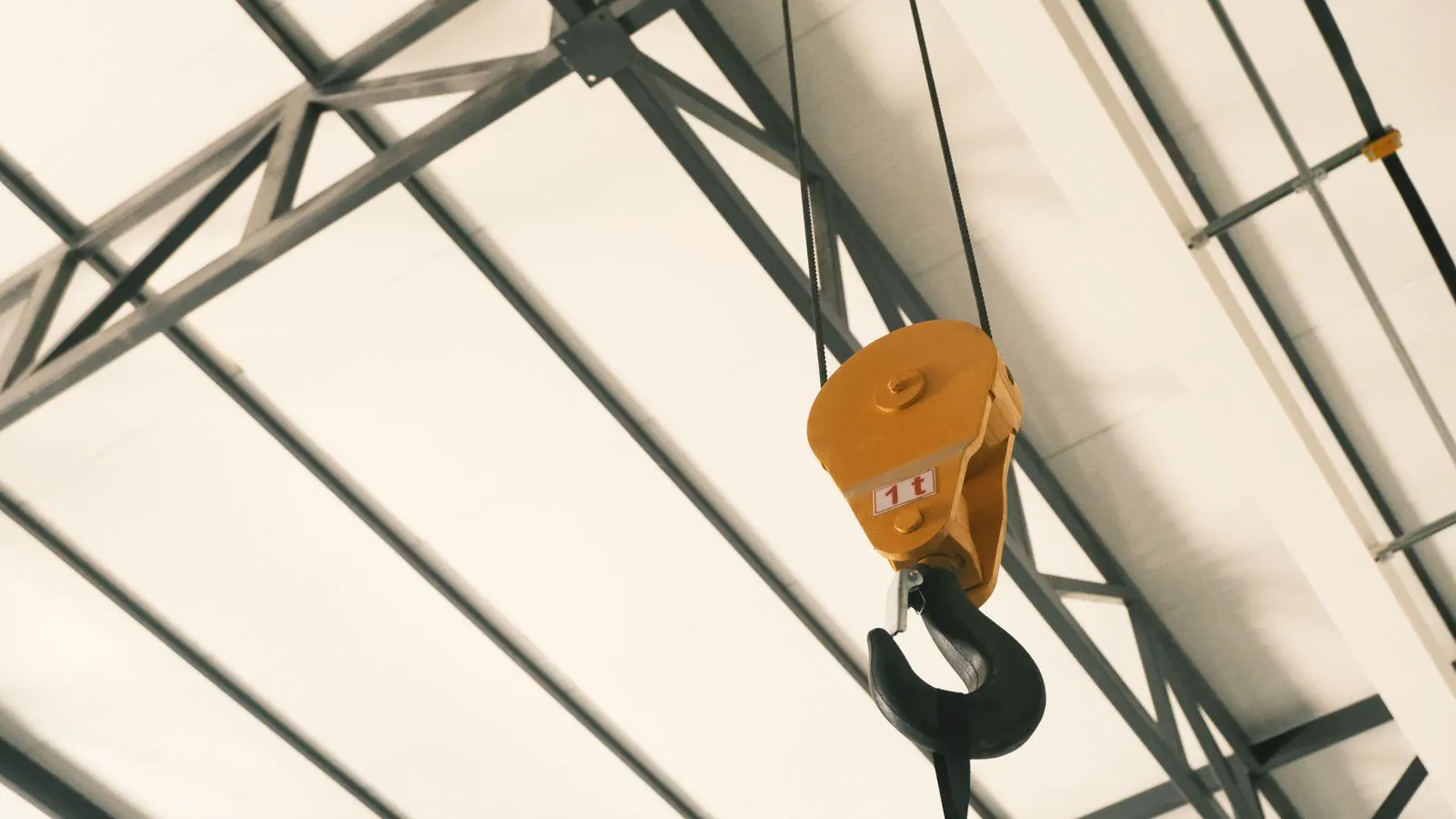
Material certification is expanding beyond the main structural components. Buyers are now asking for certificates for all load-bearing parts. This includes the hook, the trolley, the counterweight, and the control panels.
The supply chain transparency requirement means suppliers must verify their sub-suppliers. If a supplier cannot prove the origin of the steel or the rating of the electric motor, the certification fails. This pushes suppliers to tighten their vendor management processes.
For engineers, this means reviewing the supplier’s supplier list. A strong certification program includes a documented approval process for all incoming materials. Weaknesses in this area often appear in the first few years of operation, when components fail unexpectedly.
Lifecycle data and post-sale support
Supplier certification is no longer just about the unit leaving the factory. It is about the performance of the unit over ten or twenty years. Buyers want lifecycle data. They want to know how the crane performs under load, how the wire rope degrades, and how the electrical system ages.
This requires suppliers to offer post-sale support packages. These packages may include regular maintenance visits, remote monitoring, and spare parts availability. The certification covers the service level, not just the product.
If a hoist manufacturer does not provide a clear maintenance plan, the buyer must assume the risk. The buyer must find a third party to perform the periodic inspections. This increases cost and reduces accountability.
How to prepare your selection process
Preparation starts with updating your supplier selection criteria. Do not rely on past relationships. Verify the current certification status. Ask for a recent audit report. Check the scope of the audit.
You should also define what data you need. List the digital records you require. Specify the format. Require that the data be available through a secure portal. This prevents the supplier from losing access to the data after the sale.
Consider the total cost of compliance. A supplier with a strong certification program may charge more upfront. However, the reduction in downtime and the simplification of maintenance can offset the difference.
How to prepare your selection process
The supplier selection process must account for the long term. A crane or hoist will stay in service for decades. The supplier must be able to support that period.
Ask the supplier about their financial stability. Ask about their workforce. Ask about their training programs. A strong certification program depends on skilled people. If the supplier loses key engineers, the quality control may suffer.
Review the supplier’s warranty terms. The warranty should align with the certification period. If the certification is for five years, the warranty should cover that period. Gaps in coverage create risk.
How to prepare your selection process
The supplier selection process must account for the long term. A crane or hoist will stay in service for decades. The supplier must be able to support that period.
Ask the supplier about their financial stability. Ask about their workforce. Ask about their training programs. A strong certification program depends on skilled people. If the supplier loses key engineers, the quality control may suffer.
Review the supplier’s warranty terms. The warranty should align with the certification period. If the certification is for five years, the warranty should cover that period. Gaps in coverage create risk.
How to prepare your selection process
The supplier selection process must account for the long term. A crane or hoist will stay in service for decades. The supplier must be able to support that period.
Ask the supplier about their financial stability. Ask about their workforce. Ask about their training programs. A strong certification program depends on skilled people. If the supplier loses key engineers, the quality control may suffer.
Review the supplier’s warranty terms. The warranty should align with the certification period. If the certification is for five years, the warranty should cover that period. Gaps in coverage create risk.
How to prepare your selection process
The supplier selection process must account for the long term. A crane or hoist will stay in service for decades. The supplier must be able to support that period.
Ask the supplier about their financial stability. Ask about their workforce. Ask about their training programs. A strong certification program depends on skilled people. If the supplier loses key engineers, the quality control may suffer.
Review the supplier’s warranty terms. The warranty should align with the certification period. If the certification is for five years, the warranty should cover that period. Gaps in coverage create risk.
How to prepare your selection process
The supplier selection process must account for the long term. A crane or hoist will stay in service for decades. The supplier must be able to support that period.
Ask the supplier about their financial stability. Ask about their workforce. Ask about their training programs. A strong certification program depends on skilled people. If the supplier loses key engineers, the quality control may suffer.
Review the supplier’s warranty terms. The warranty should align with the certification period. If the certification is for five years, the warranty should cover that period. Gaps in coverage create risk.
| Certification Element | Traditional Approach | Emerging Expectation |
|---|---|---|
| Document Format | Paper or PDF files | Digital portal with QR access |
| Audit Frequency | Annual or pre-shipment | Milestone based with periodic checks |
| Data Scope | Final inspection report | Full lifecycle with maintenance logs |
| Supply Chain | Main component only | All load-bearing and safety parts |
| Support Model | Warranty only | Maintenance and remote monitoring |
| Vendor Verification | Basic reference checks | Approved sub-supplier list |
How to prepare your selection process
The supplier selection process must account for the long term. A crane or hoist will stay in service for decades. The supplier must be able to support that period.
Ask the supplier about their financial stability. Ask about their workforce. Ask about their training programs. A strong certification program depends on skilled people. If the supplier loses key engineers, the quality control may suffer.
Review the supplier’s warranty terms. The warranty should align with the certification period. If the certification is for five years, the warranty should cover that period. Gaps in coverage create risk.
How to prepare your selection process
The supplier selection process must account for the long term. A crane or hoist will stay in service for decades. The supplier must be able to support that period.
Ask the supplier about their financial stability. Ask about their workforce. Ask about their training programs. A strong certification program depends on skilled people. If the supplier loses key engineers, the quality control may suffer.
Review the supplier’s warranty terms. The warranty should align with the certification period. If the certification is for five years, the warranty should cover that period. Gaps in coverage create risk.
Frequently asked questions
What is the most common mistake buyers make with supplier certification?
Accepting a final inspection report as proof of quality. Buyers should demand access to the underlying test logs and material certificates.
Will paper certificates be phased out completely?
No. Paper certificates remain useful for small hoists and legacy assets. However, digital records are the standard for heavy-duty cranes and high-capacity hoists.
How often will third-party audits increase?
Audits are likely to happen at key milestones, such as pre-shipment, post-installation, and periodic re-certification. The exact frequency depends on the application and risk level.
What data should buyers require from a hoist manufacturer?
Buyers should require digital records for all load-bearing parts, including the hook, trolley, and electric motor. This includes material grades, welder qualifications, and non-destructive testing results.
How does lifecycle data affect supplier selection?
Lifecycle data extends the certification beyond the factory. It includes maintenance logs, remote monitoring, and spare parts availability. This reduces downtime and simplifies long-term planning.